
Longer Lives, Interrupted Careers: The Gender Gap Inside the Longevity Economy
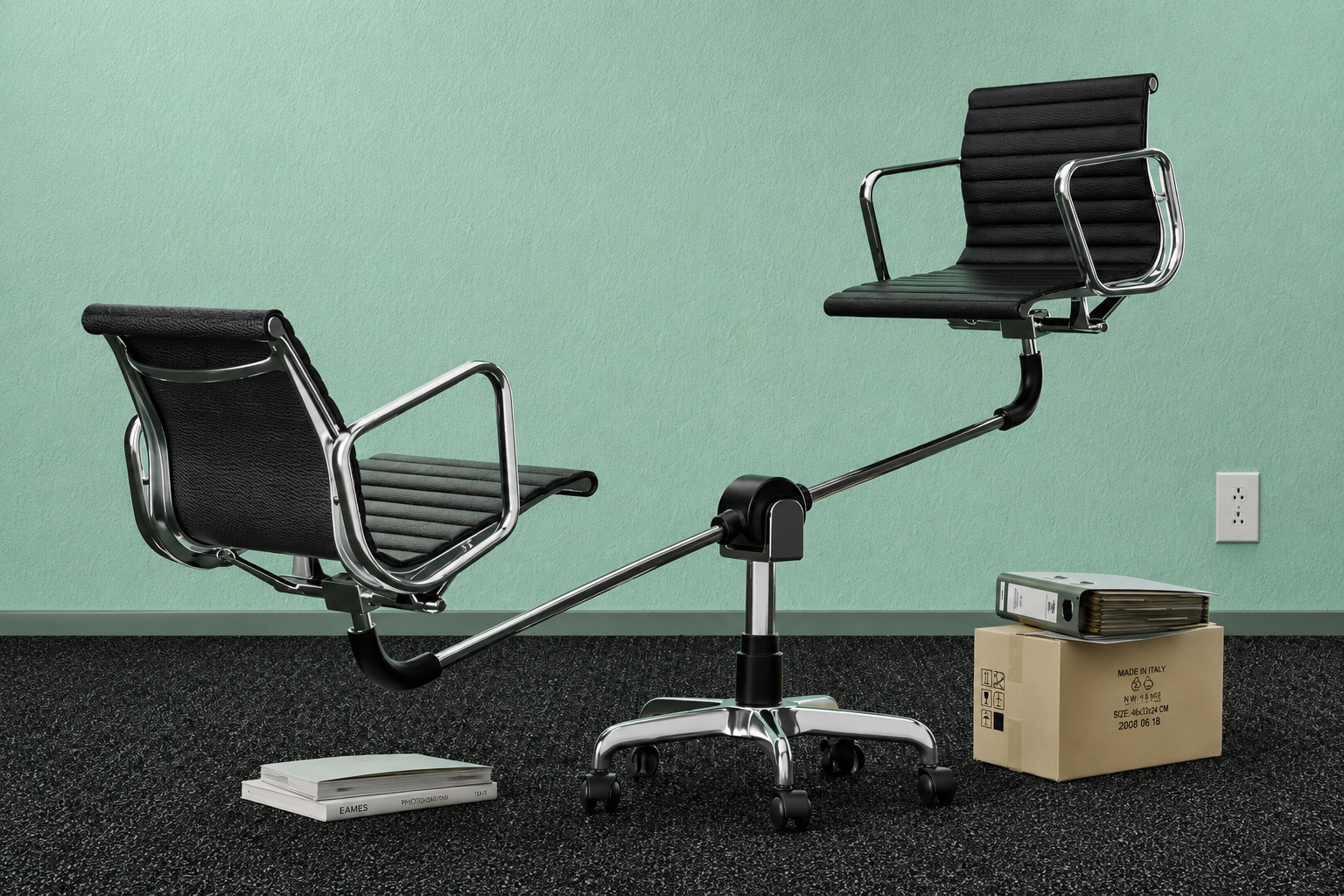
Women do not necessarily enter the second half of life with the same uninterrupted earning histories, accumulated wealth, professional visibility, or freedom to keep working as men. Longer lives may create more time, but they do not automatically create equal opportunity.
This gap receives too little attention.
Women’s careers are more likely to be shaped by periods of unpaid care, reduced hours, part-time employment, and exits from the workforce. LinkedIn research cited by the World Economic Forum found that women are 55.2% more likely than men to take career breaks, and that their breaks last longer on average. Women are also far more likely to identify full-time parenting as the reason.
The language of a “career break” makes this sound temporary. Its consequences are not.
Time away from paid work can mean missed salary increases, fewer promotions, reduced pension contributions, weaker professional networks, and diminished access to leadership opportunities. Re-entry frequently happens at a lower level, on reduced pay, or in work that offers flexibility at the expense of progression. The career resumes, but it rarely resumes from the same point.
By midlife, these effects have compounded.
The OECD notes that women are more likely to experience interrupted careers because of childcare earlier in life and adult caregiving later on. These patterns contribute to lower lifetime earnings, fewer advancement opportunities, and weaker labour-market attachment at older ages. Among people over 50 providing informal care across OECD countries, 62% are women. The employment and earnings consequences can continue even after the caregiving itself has ended.
This is where career inequality becomes a longevity issue.
Women generally live longer, yet they accumulate less wealth with which to finance those additional years. Across the European Union, women aged 65 and over received pensions that were, on average, 24.5% lower than men’s in 2024. A global analysis by WTW and the World Economic Forum found that women are expected to reach retirement with only 74% of the wealth accumulated by men. The disparity rises to 38% among women in senior expert and leadership roles.
The second half of life introduces another layer. Women seeking to return, advance, or reinvent themselves in their 40s, 50s, and 60s face both gender bias and age bias. The OECD notes that older women often face stronger negative assumptions than older men about their skills, adaptability, and ability to meet job expectations.
The result is a double bind. Women are encouraged to work longer to secure their financial futures, while the career systems they encounter continue to penalise the very life patterns that shaped their working lives.
Individual resilience cannot solve this problem designed inside the institutions.
A longevity-ready organisation needs to recognize that nonlinear careers are Midcareer re-entry, reskilling, internal mobility, senior part-time roles, and phased transitions should become part of workforce architecture, not exceptional accommodations.
Gender strategy needs to extend beyond entry-level representation and the promotion pipeline. It must address what happens after interruption, during caregiving, and across the decades when women are most likely to encounter both age and gender bias. At What’s Next, we believe workspan needs to be a core pillar of the longevity conversation. For women, it may also be the bridge between a longer life and genuine agency within it.
The central question is not whether women can reinvent themselves after a career break. Millions already do.
It is whether our institutions can stop treating interrupted careers as broken ones.
References
OECD, OECD Employment Outlook 2025: Navigating the Golden Years, Making the Labour Market Work for Older Workers.
OECD, Gender Gaps in Paid and Unpaid Work Persist (2025).
World Economic Forum, Global Gender Gap Report 2025.
World Economic Forum and WTW, Wealth Equity Index.
Eurostat, “Women’s Pension 25% Lower Than Men’s in 2024” (2026).
