
WHAT'S NEXT JOURNAL: VOL. 4 - June 2026
A NOTE FROM US:
Last month, one idea kept appearing in almost everything we read, wrote, and spoke about: longer lives are exposing the limits of systems built for much shorter ones.
Whether the conversation was about career reinvention, identity, age diversity, workplace design, or the changing nature of retirement, the underlying challenge was remarkably consistent. We have added decades to life, yet many of the institutions that shape our working lives still assume a much shorter horizon. We continue to prepare people for careers as though they unfold in a single, linear arc, even as longer lives make multiple transitions, reinvention, and continuous learning increasingly normal.
Perhaps this is the next stage of the longevity conversation. Beyond lifespan, healthspan, and wealthspan lies another question that deserves equal attention: how do we build a workspan that can evolve alongside a longer life?
That question connects everything in this month's Journal. It is also the question that continues to shape the work of What's Next.
HAPPENING AT WHAT’S NEXT
June was a busy month for What's Next, with our co-founders, Galya Frayman Molinas and Gamze Dinckok Yucaoglu, featured across interviews, publications, and public events exploring longevity and the future of work. While each conversation took a different perspective, all pointed to the same reality: longer lives are changing the way we build careers.
Ashoka Change Talks
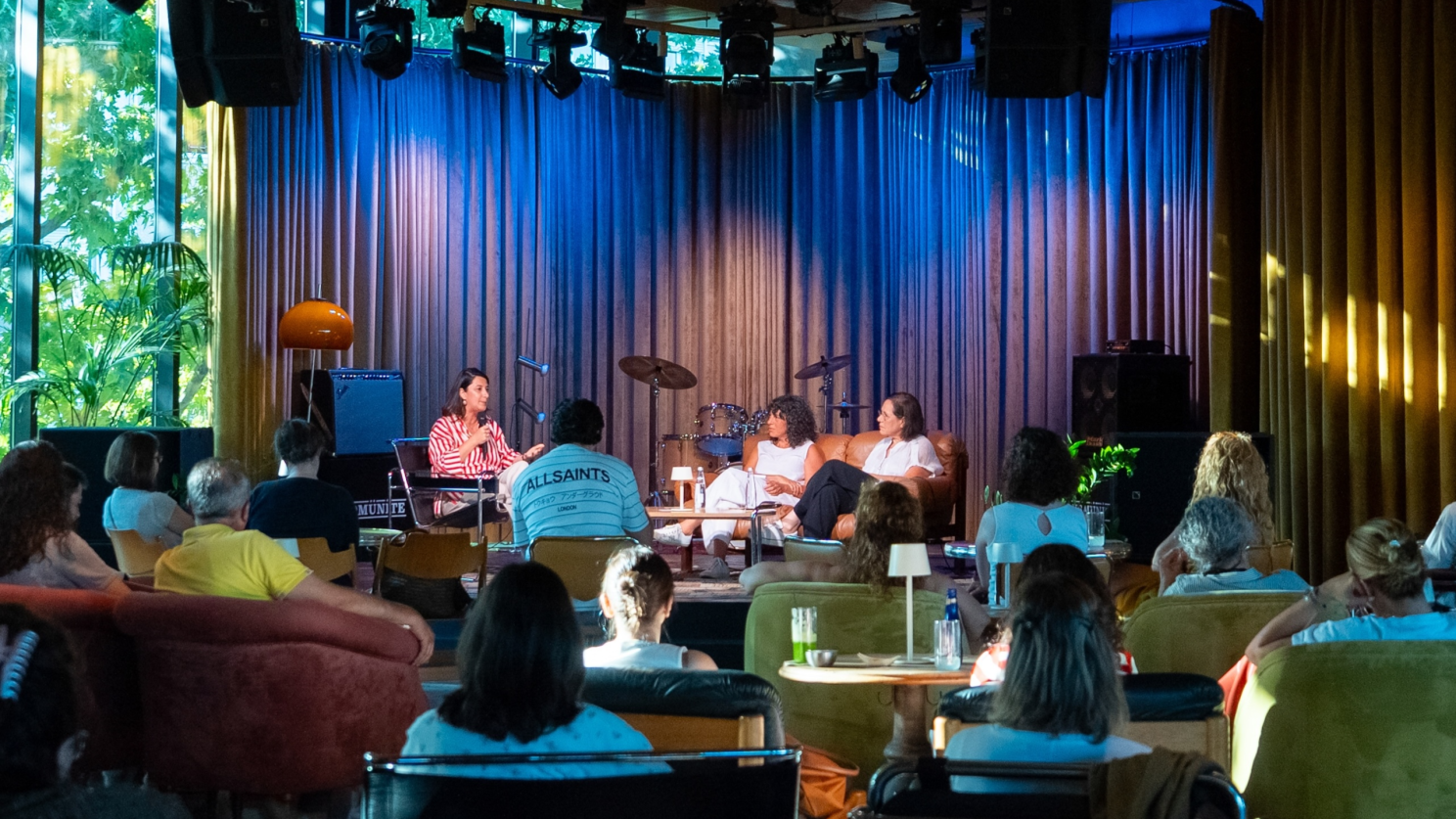
Galya joined Ashoka Türkiye 's Change Talks as a speaker in a discussion on how meaningful change happens across individuals, systems, and mindsets. The conversation explored one of the questions at the heart of What's Next: if people are living and working longer than ever before, how must our institutions, organisations, and cultural assumptions evolve alongside them? It highlighted that navigating longer lives is not simply an individual responsibility, but a systems challenge that calls for new ways of thinking about work, contribution, and lifelong reinvention.
In the Media
June also saw our ideas reach a wider audience through a series of interviews and feature articles.
Across conversations with C-Suite Brief and Thought Pieces , Galya explored how longer lives are reshaping careers, making the case for perennial careers, multi-stage working lives, and a broader understanding of contribution, purpose, and identity. Rather than simply extending working years, she argued, longevity calls for entirely new ways of thinking about work itself. Read the features here: C-Suite Brief,Thought Pieces
Meanwhile, in interviews with CXO Dispatch and Digital Journal, Gamze focused on the personal side of career reinvention. She reflected on why midlife deserves a new narrative, why experience is becoming an increasingly valuable asset in an AI-shaped world of work, and why community and support systems are essential for helping people navigate periods of transition with confidence. Read the features here and here. Read the features here: CXO Dispatch, Digital Journal
OUR RESEARCH: Think Pieces by What’s Next

Who Are You When the Title Is Gone?Career transitions are often framed as practical challenges, but beneath the questions of résumés and next roles lies a deeper one: identity. This piece explores why letting go of a professional title can feel like a form of grief, and why the uncertainty between one identity and the next is not a setback, but an essential part of reinvention. In an era of longer careers, one of our greatest forms of resilience may be the ability to evolve our sense of self. Read the full piece here.

The Missing Architecture of Longer Careers: We Added 30 Years to Life, But Not to WorkPeople are living and working longer, yet our career systems remain built for much shorter lives. While we have extensive infrastructure to help people enter the workforce, there is remarkably little to support reinvention later in life. This piece argues that the missing challenge of the longevity era is workspan: creating the learning pathways, career structures, and support systems that allow people to contribute across careers that may now span five or six decades. Read the full piece here.
ARTICLE INSIGHTS: What We’ve Been Reading
Ken Dychtwaldfor Fortune, 2026The longevity revolution is here. Our systems still think we die at 65.A compelling argument that longer lives are already reshaping society, while many of our institutions remain designed for a much shorter lifespan. Dychtwald introduces the idea of time affluence and argues that longevity requires more than medical progress, it demands new models of work, purpose, and contribution. His proposal for an "Elder Corps" offers one vision for how experienced talent can remain an active part of society. Read the full piece here.
The Guardian, A New Start After 60 series, 2026A hopeful series that challenges the assumption that later life is a period of decline. Across dozens of stories, people launch businesses, earn degrees, discover new passions, and begin entirely new careers well into their 60s and beyond. The message is simple: reinvention has no age limit. An inspiring reminder that many of the barriers to later-life growth are cultural rather than biological. Read the full series here.
THE NEXT SHELF: Titles On Our Radar
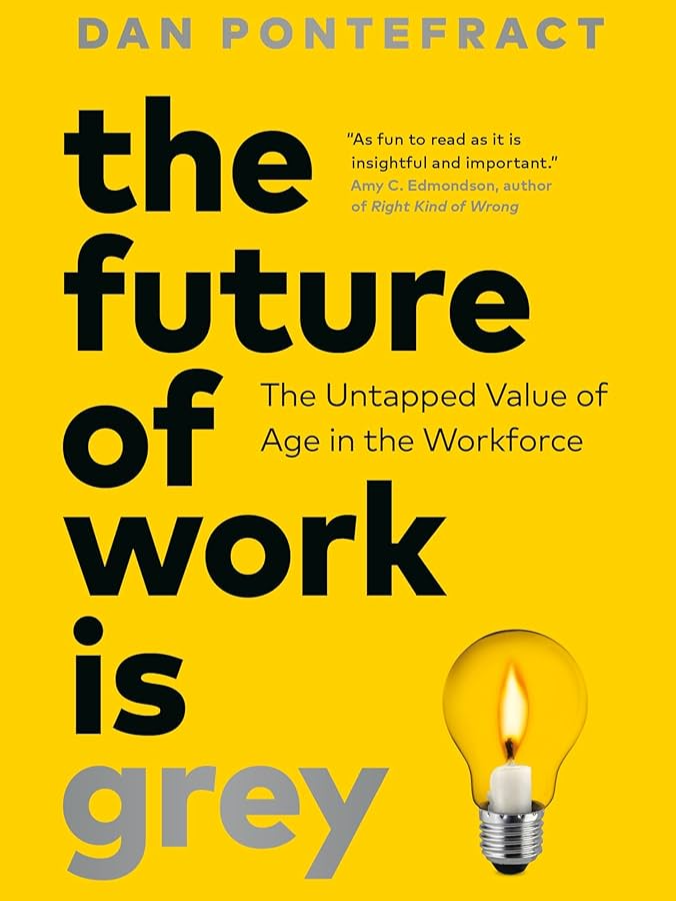
The Future of Work Is Grey – Dan Pontefract (Recommended by Gamze)
Dan Pontefract makes a compelling case that organisations continue to underestimate one of their greatest assets: experienced talent. At the heart of the book is the idea of the experience dividend, the value created through multigenerational teams, mentorship, knowledge transfer, and longer careers. A timely read on why the future of work depends on generations working together, not apart.
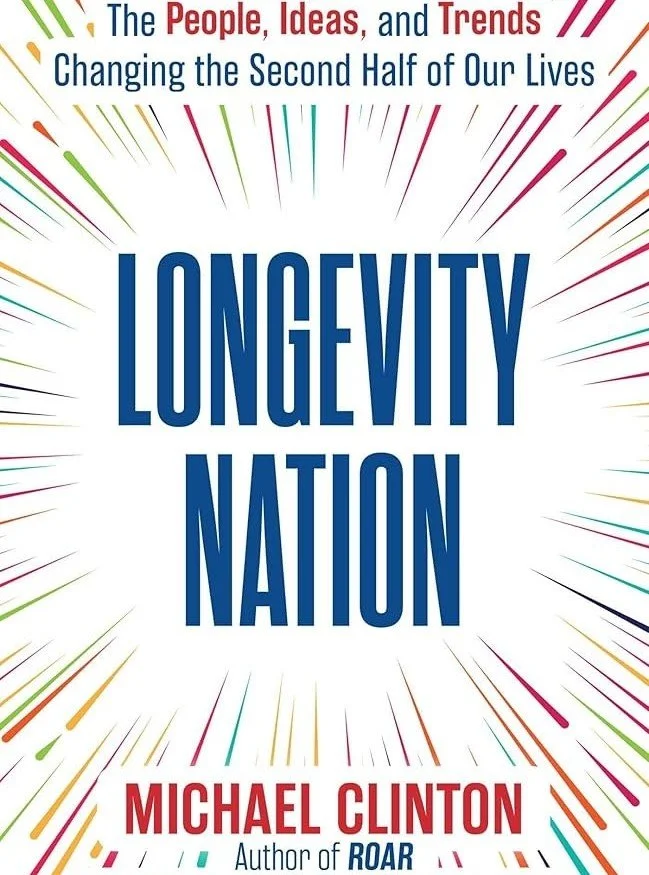
Longevity Nation – Michael Clinton (Recommended by Galya)
Michael Clinton explores what it means to build a life for a much longer future. His concept of life layering, continually adding new dimensions of purpose, curiosity, and contribution rather than postponing them until retirement, offers a refreshing way to think about longevity. An optimistic read on designing a life that continues to evolve.
SOMETHING TO THINK ABOUT
If your career were designed for a 60-year working life rather than a 30-year one, what would you build differently today?
Would you learn differently? Take more risks? Pace yourself differently? Invest more in community, reinvention, or experimentation?
BEFORE WE GO
Longer lives are changing the way we think about work, contribution, and what a career can become. We hope this month's Journal offered new ideas, useful research, and practical inspiration for navigating that shift.
If someone in your network is rethinking what's next, or simply curious about the future of work, we'd be grateful if you shared this Journal with them.
Follow us on LinkedIn and Instagram, or write to us at hello@w-next.co.
What's Next Initiative is a platform for professionals navigating midlife career transitions, grounded in research, built for connection, and committed to making reinvention feel less like a crisis and more like a design choice.