
WHAT'S NEXT JOURNAL: VOL. 2 - April 2026
A NOTE FROM US:
Something has shifted in the conversation around work and longevity, and April made that more visible than ever.
The question used to be: how long do we have to work? Shaped by concerns for both endurance and escape, we longed for the moment we could wind down. Now the biggest question is becoming something far more interesting, shaped by design and meaning. How do we work well, across more decades, more transitions, and more versions of ourselves than any previous generation was asked to navigate?
This month, that question arrived from several directions at once. LinkedIn's CEO Ryan Roslansky published a book about staying relevant in an AI-reshaped world of work. Organisational theorist and London Business School professor Lynda Gratton wrote about adventure as professional infrastructure, not indulgence. Business Insider reported on Americans planning to retire at 85, or 35. And the Financial Times laid out, in sobering detail, how demographics are quietly restructuring the global economy.
These are not separate conversations. They are the same conversation, viewed from different angles. And it is the conversation the What's Next Initiative was built for.
- Galya Frayman Molinas & Gamze Dinckok Yucaoglu
HAPPENING AT WHAT’S NEXT:

After many months of research, conversation, and careful thinking about what it means to rethink a career in an age of longer lives, the manuscript for our book is complete. We are now working with our UK press on the launch, the timing, and the shape of what comes next. More soon.
DID YOU KNOW?
A third of professionals aged 45 to 54 expect to change career before retirement. Yet the average UK worker believes it is already too late to do so by the age of 45. (Phoenix Insights / Ipsos, 2023 and Santander, 2022)
The desire and the belief are running in opposite directions. That gap, between what people want and what they think is available to them, is precisely where What's Next operates.
OUR ARTICLES
Reinventing without Starting Over
The idea that career change requires erasure is one of the most persistent and damaging myths in professional culture. The professionals who transition most successfully are not those who abandon what they have built. They are those who learn to read it differently, carrying forward what is load-bearing and setting down what no longer serves. The goal is translation, not transformation from zero. Read the full piece.
The Business Case for Longevity-Focused Strategies
Longer working lives are no longer a planning horizon for organisations. They are an immediate operational reality. Experienced professionals bring pattern recognition, institutional memory, and judgment that cannot be replicated by technical agility alone. The companies that will lead in the longevity economy are those that treat seasoned talent as a capability to design around, not a cost to manage. Read the full piece.
ARTICLE INSIGHTS: What we’ve been reading
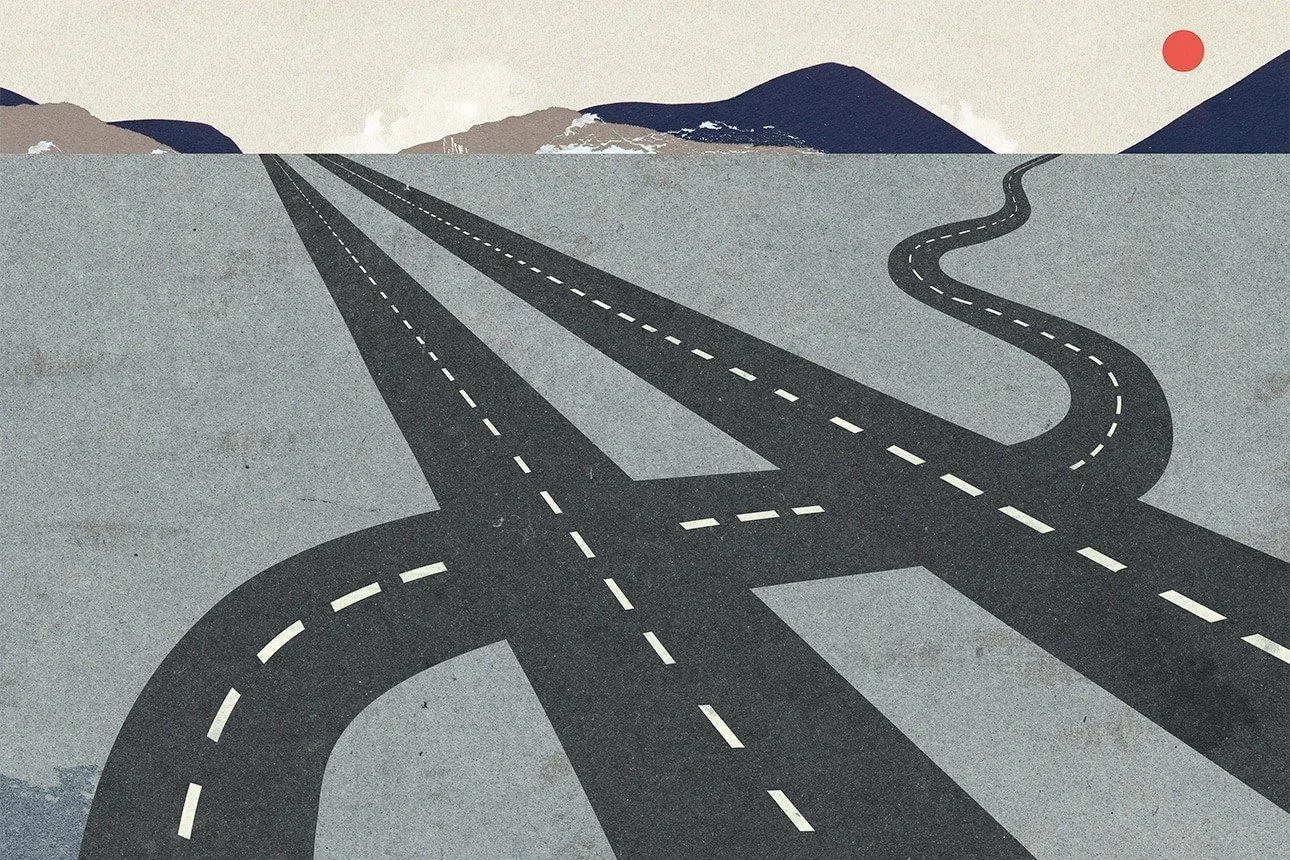
Why Adventure Matters in Long Working Lives, by Lynda Gratton Gratton for the MIT Sloan Management Review, April 27, 2026
Gratton's argument is quietly radical: adventure is not a distraction from a serious career. It is what makes a long one possible. The experiences that feel least like progress, stepping into the unfamiliar, inhabiting roles where your expertise offers no guarantee, are often the ones that most expand who you can become professionally. Her observation is sharp: we encourage exploration when people are young and reward continuity as they grow older. In a multi-stage working life, that logic works against the very adaptability organisations say they want. The detour you have been deferring may not be a risk. It may be the most strategic investment available to you.
America's new retirement age: Retiring at 65 is so old-school. I talked to over 300 Americans about ending their careers at 85 — or 35., by Noah Sheidlower for Business Insider, April 6, 2026
The traditional retirement timeline is being pulled in two directions simultaneously, some exiting in their 30s, others working into their 80s. What looks like opposite trends is the same underlying signal: the linear career arc is loosening. For us, the more important question is not when people retire but how careers are being redesigned in between. Retirement is not the destination it once was. What comes before it is far more interesting.
The Big Read: Five ways demographics are transforming the world economy, by Valentina Romei for the Financial Times, March 6, 2026
A rigorous piece on the scale of the demographic shift already underway. Ageing populations, shrinking workforces, and pressure on pension systems are reshaping economic structures in ways that will not wait for policy to catch up. Individual careers are being disrupted not just by technology, but by the simple mathematics of a world where people live significantly longer than the systems around them were built to accommodate.
Midlife isn't a crisis anymore. It's a career rebrand., by Mia Davis for Business Insider, March 5, 2026
The crisis framing is giving way, slowly but meaningfully, to something more purposeful. Whether this reflects genuine attitudinal change or aspirational journalism remains to be seen, but the direction of travel is right.
THE NEXT SHELF: Titles we can’t wait to get to
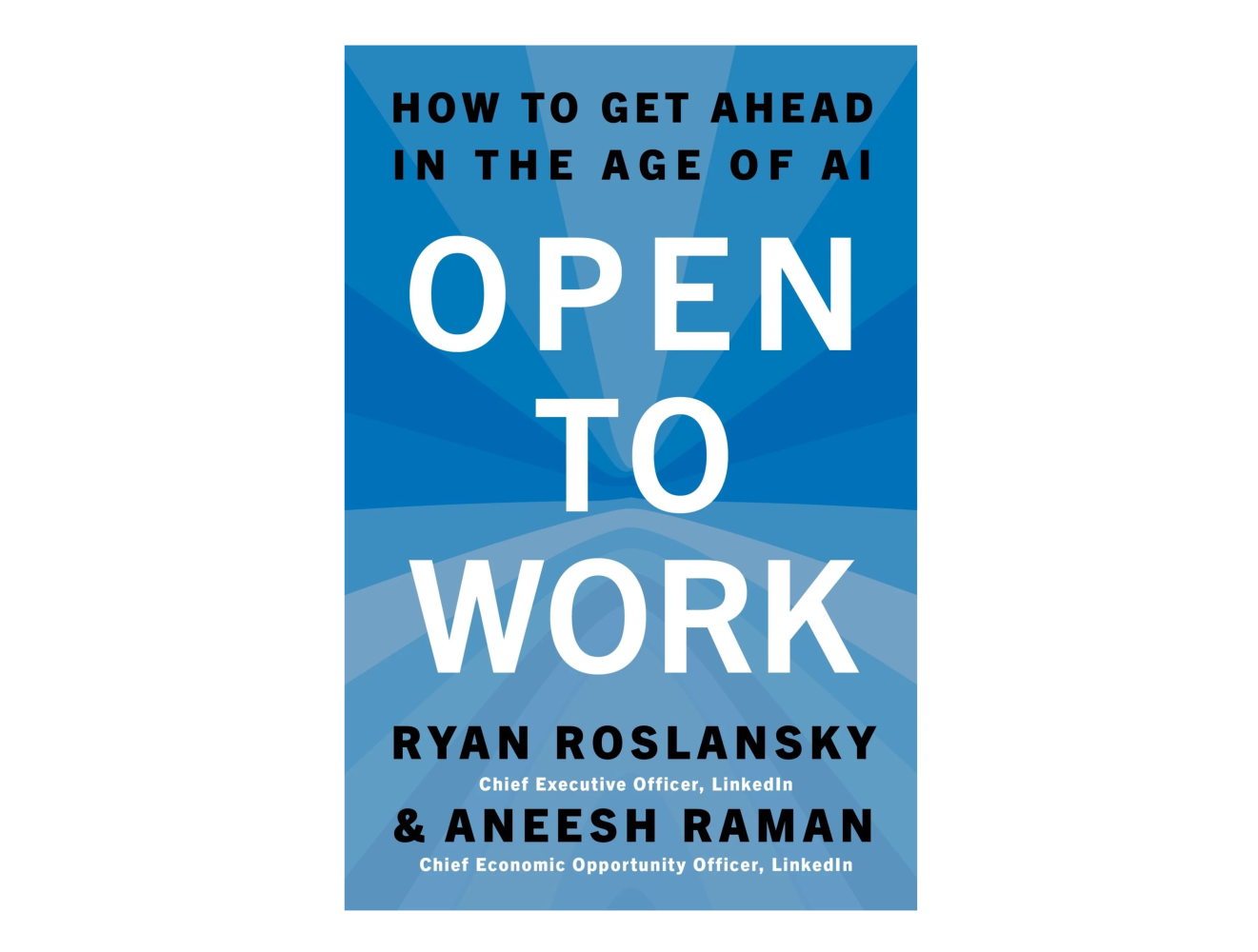
Open to Work, by Ryan Roslansky and Aneesh Raman
Written by the CEO of LinkedIn and his Chief Economic Opportunity Officer, drawing on data from over a billion professionals, this is one of the most timely books on the changing shape of work to arrive in years. Its central argument, that the future belongs to those who develop what the authors call the five uniquely human capabilities: curiosity, courage, creativity, compassion, and communication, sits in direct conversation with everything What's Next explores. For professionals in midlife, the framing of jobs as collections of tasks rather than fixed titles is particularly relevant. The skills accumulated over a long career are far more transferable than the roles they were built within. The question is not whether you can adapt. It is whether you give yourself permission to.
BEFORE YOU GO
What is the most valuable thing your career has taught you that has nothing to do with your job title?
We would genuinely like to know. Find us on LinkedIn and Instagram, or write to us at hello@w-next.co. If someone in your network is navigating a career transition or simply asking the question, we would be glad if you shared this with them.
Follow us on Instagram and LinkedIn.
What's Next is a platform for professionals navigating midlife career transitions, grounded in research, built for connection, and committed to making reinvention feel less like a crisis and more like a design choice.